
The psychology behind why we gamble understanding the mind's allure
The psychology behind why we gamble understanding the mind's allure
The Thrill of Uncertainty
One of the primary reasons people engage in gambling is the allure of uncertainty. When players place their bets, they tap into the excitement that comes from not knowing the outcome. This thrill can activate the brain’s reward system, releasing dopamine and creating feelings of pleasure similar to those experienced with drugs or alcohol. This biochemical reaction reinforces the behavior, encouraging repeat gambling as players chase the next high associated with potential winnings. For instance, many players may turn to platforms like lizaro casino, where high-stakes games explained can intensify this experience.

Moreover, the unpredictability inherent in gambling fuels a desire for control. Many gamblers believe that they can influence the outcomes through strategies, whether in games like poker or through betting systems. This perceived control can amplify the excitement, as players often convince themselves that they hold the key to their fortune, further deepening their psychological investment in the game.
Additionally, the social aspect of gambling can intensify its appeal. Many individuals gamble in groups, sharing the highs and lows together. This shared experience not only strengthens social bonds but also enhances the thrill of collective uncertainty, making the activity more enjoyable. The excitement shared among friends or fellow players creates a unique atmosphere that keeps individuals returning for more.
Illusions of Skill and Control
The psychology behind gambling also hinges on the illusion of skill and control. Many gamblers believe that their knowledge or skill can influence the outcome, particularly in games such as poker or blackjack. This perception can lead to a cognitive bias known as the “illusion of control,” where individuals overestimate their ability to predict or manipulate outcomes. As a result, they may continue to gamble, feeling empowered by their supposed skills.
This belief can be particularly pronounced in high-stakes games. Players often justify their continued participation by citing past victories or strategic choices that led to success. Such self-reinforcing thought patterns can lead to gambling addiction, as individuals may persistently chase losses, believing that they can turn their fortunes around based on their supposed expertise.
The allure of skill-based gambling games can also be a double-edged sword. While they can enhance engagement, they may also lead players down a dangerous path, blurring the lines between entertainment and obsession. This fine line is critical to understand as it highlights the psychological traps that keep individuals entrapped in a cycle of gambling, often leading to detrimental financial and emotional consequences.
The Role of Reward Systems
The brain’s reward system plays a vital role in the psychology of gambling. When players win, their brains release feel-good chemicals like dopamine, which reinforces the behavior. This biological feedback loop creates an emotional high that many seek repeatedly. The anticipation of winning, even if the odds are statistically against them, can be intoxicating, making individuals more likely to return to gambling despite their losses.
The concept of variable rewards also comes into play, as gambling often incorporates a system where wins are unpredictable and sporadic. This randomness can create a cycle of hope and desire that is hard to break. Similar to how slot machines operate on a principle of near-misses, players can become conditioned to keep playing, believing that a win is just around the corner, thus perpetuating the gambling cycle.
Understanding the role of reward systems in gambling is crucial for both players and those concerned about gambling addiction. Recognizing how these mechanisms can manipulate feelings of excitement and anticipation can aid individuals in making more informed choices about their gambling behavior, potentially fostering a healthier relationship with these activities.
The Impact of Environment and Social Influences
The environment in which gambling takes place significantly influences individual behavior. Whether in a brick-and-mortar casino or an online gaming platform, the atmosphere is often designed to elicit excitement and engagement. Bright lights, upbeat music, and social interaction can create an immersive experience that distracts players from time and money spent. This sensory overload makes it easier for individuals to lose track of their limits, deepening their engagement with gambling.
Social influences also play a critical role in the psychology of gambling. Peer pressure, cultural norms, and social circles can significantly affect one’s gambling behavior. Individuals may feel compelled to gamble due to social expectations or to fit in with friends, potentially leading to increased participation in high-stakes games. The presence of others can amplify the thrill and create a sense of camaraderie, reinforcing the decision to engage in risky behavior.
Moreover, marketing strategies employed by casinos and online platforms can exacerbate these influences. Promotional offers, flashy advertisements, and high-profile endorsements can create an illusion of glamour around gambling, making it appear more appealing. This marketing often targets the psychological triggers of excitement and social acceptance, drawing in individuals who might not otherwise gamble, thus expanding the demographic of players engaged in these activities.
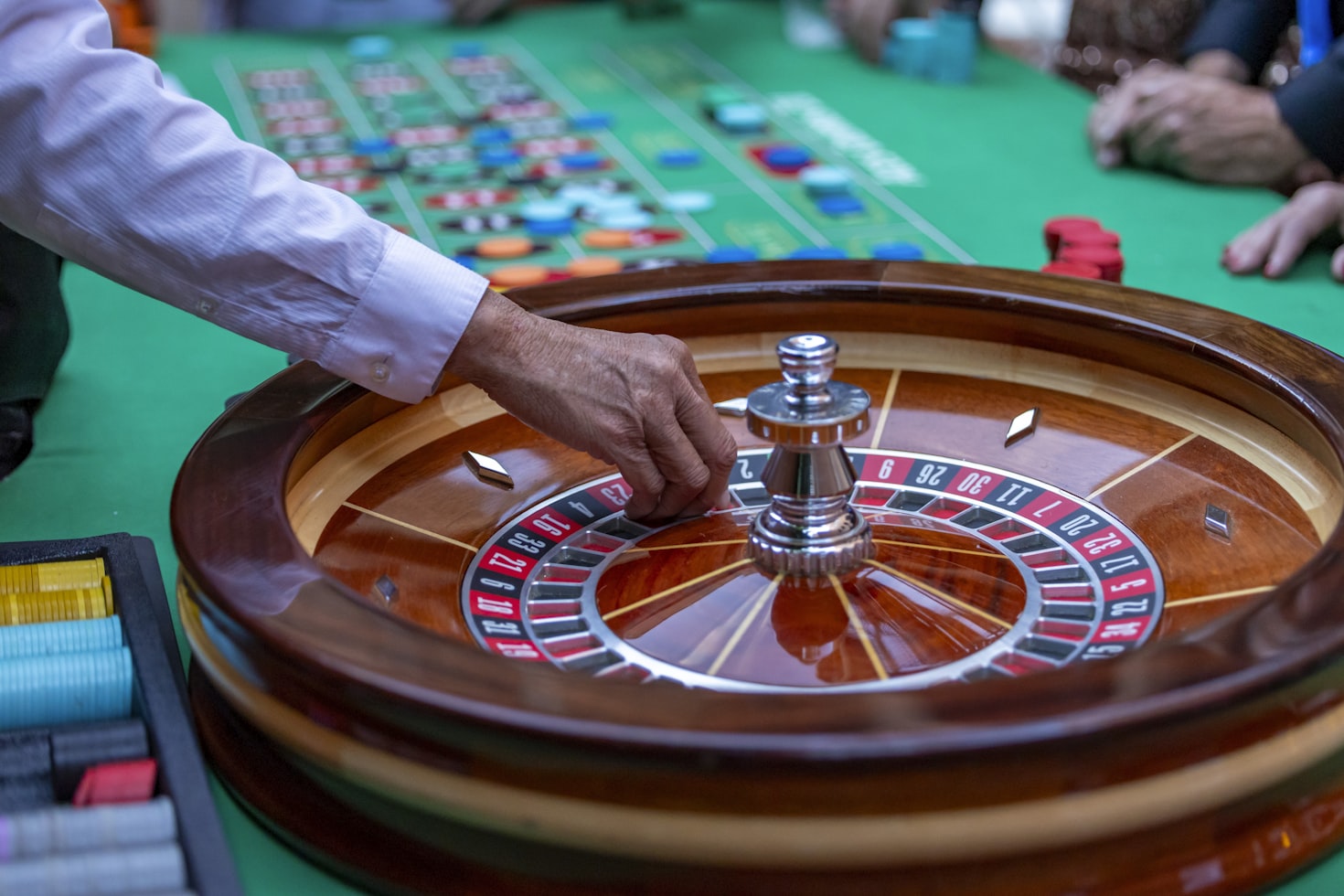
Exploring Lizaro Casino’s Offerings
Understanding the psychology of gambling is essential for navigating platforms like Lizaro Casino. As a modern online gaming platform, it offers an extensive selection of games that capitalize on these psychological elements. From high-stakes poker to thrilling slots, Lizaro appeals to various psychological triggers, ensuring that players can find the right game to match their desires.
Lizaro Casino places a strong emphasis on responsible gaming, providing tools and resources to help players manage their habits. With features designed to promote awareness and control, players can engage with their gaming experience in a healthier way. This approach recognizes the psychological allure of gambling while fostering a safer environment for enjoyment.
With enticing bonuses and a commitment to player satisfaction, Lizaro Casino is not just a platform for gaming; it’s an experience tailored to meet the psychological needs of players. By understanding the factors that drive gambling behavior, Lizaro aims to create an engaging yet responsible atmosphere where players can explore their interests without succumbing to the pitfalls of addiction.